Vintage Woods Vol. 16: Textured Paper for Authentic Projects
The Anatomy of a Vintage Aesthetic
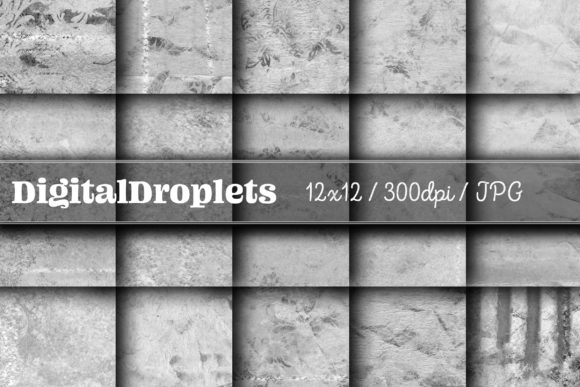
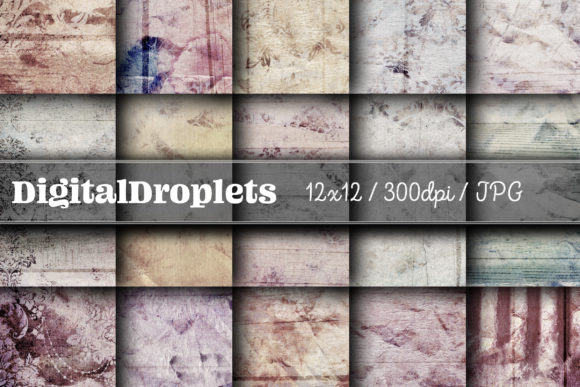
There is a distinct difference between a project that merely uses "old-looking" elements and one that genuinely captures the essence of vintage craftsmanship. For designers, scrapbookers, and digital creators, achieving that authentic, tactile feel is often the biggest hurdle. The Vintage Woods Vol. 16 | Collection offers a sophisticated solution to this design challenge. This isn't just a random assortment of textures; it is a curated set of 10 distinct digital papers that serve as premium design assets for a wide array of creative endeavors.
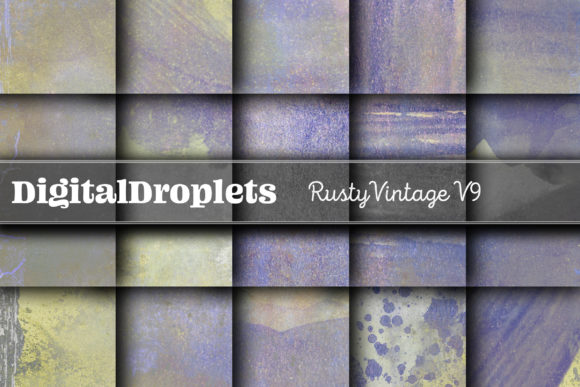
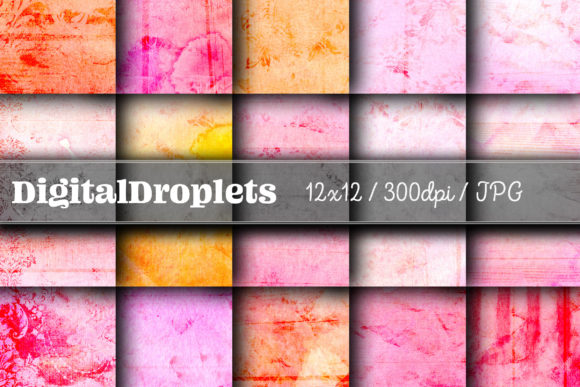
At its core, this collection is defined by its complex layering. The foundation is a series of wooden textures, but these are not the flat, sterile wood grains found in generic stock libraries. Instead, they are overlaid on vintage paper backgrounds, creating a rich, dimensional base. The true artistry, however, lies in the overlay. Alcohol ink or watercolor textures are blended seamlessly over damask and lace patterns, with subtle cardboard textures adding depth. The result is a paper set that feels lived-in, artistic, and full of character. Each sheet tells a story, blending the rustic warmth of wood with the delicate elegance of vintage lace and the vibrant fluidity of ink. This unique combination makes the Vintage Woods Vol. 16 | Collection a versatile tool for anyone looking to inject personality and warmth into their work.
From Digital Canvas to Tangible Product
Understanding where this collection fits into your workflow is key to maximizing its value. Its aesthetic is perfectly suited for projects where storytelling and nostalgia are central. For scrapbookers and junk journal enthusiasts, these papers provide an immediate, high-quality background that sets a specific mood. Instead of spending hours trying to blend textures in Photoshop, you can start with a foundation that already has the complexity and visual interest needed to anchor a page. The 12x12, 300dpi JPEG format ensures that the details remain crisp and clear, whether you are printing at home or sending files to a professional print service.
Beyond traditional paper crafts, the applications for these digital papers extend into the professional realm of brand identity and marketing. A small business owner creating a line of artisanal goods could use these textures for packaging design, creating labels and wrapping paper that communicate a handcrafted, premium quality. Bloggers and content creators can use them as backgrounds for social media graphics or website headers, instantly establishing a cohesive and inviting visual theme. The subtle, non-intrusive nature of the textures means they can support typography without overwhelming it, making them suitable for invitations, greeting cards, and even business collateral where a touch of personality is desired. This collection functions as a versatile design asset, adaptable to both personal and commercial projects.
Integrating Texture into a Modern Design Workflow
In an era dominated by clean, minimalist digital design, the strategic use of texture can be a powerful differentiator. The Vintage Woods Vol. 16 | Collection provides a way to introduce organic warmth and visual hierarchy without sacrificing professionalism. When used as a background for text, these papers create a subtle contrast that can make headlines and body copy feel more grounded and readable, especially in digital layouts where flat color can sometimes feel sterile. The key is to treat the texture as a supporting actor, not the star. By pairing these rich backgrounds with clean, modern typography—such as a simple sans-serif font for body text and a classic serif for headings—you can create a sophisticated balance between vintage charm and contemporary clarity.
This approach to font pairing is crucial. A highly decorative or script font might get lost in the intricate details of the watercolor and lace patterns. However, a bold, clean typeface will stand out with authority. This collection encourages a thoughtful approach to design, prompting you to consider how different elements interact. For instance, a simple monogram or logo placed on one of these backgrounds can take on a new dimension, feeling more established and authentic. The textures can also be used in smaller applications, like creating custom washi tape strips, tags, or digital stickers for planners, adding a cohesive, handmade touch to every detail of a project. The possibilities are limited only by your imagination, allowing you to move beyond generic templates and create work that feels genuinely unique and personal.