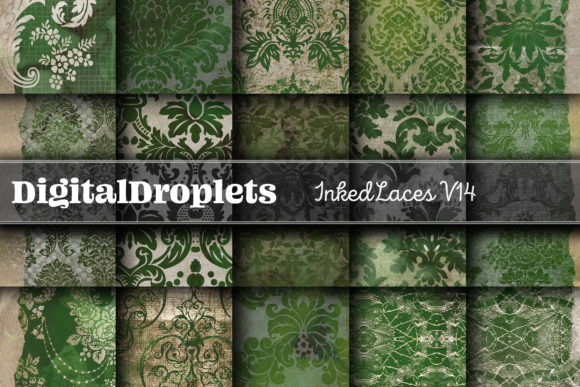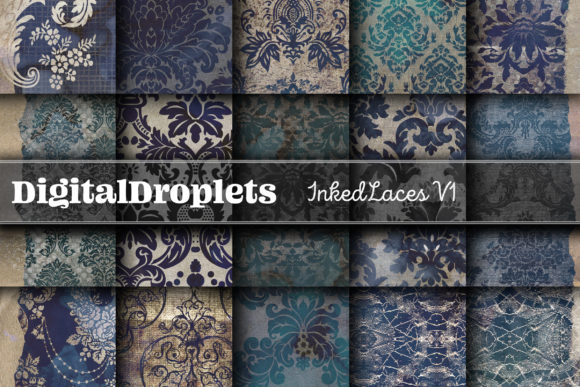
Inked Laces Vol. 1 | Vintage Textures for Modern Design
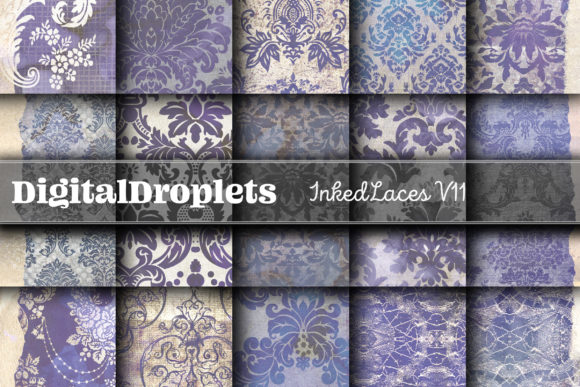
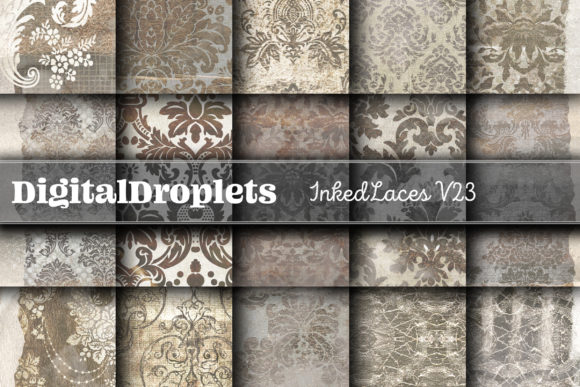
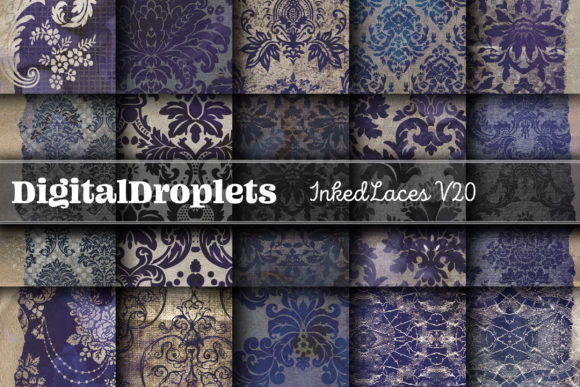
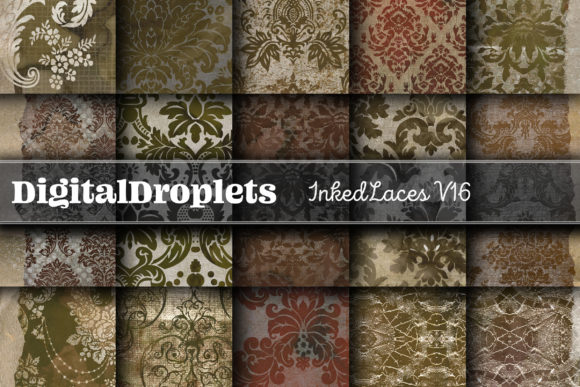
When you’re working on a project that demands a sense of history—something that feels found, aged, and genuinely authentic—standard digital papers often fall short. They can look too clean, too uniform, and lacking in the kind of tactile depth that draws a viewer in. The Inked Laces Vol. 1 | Collection addresses this gap directly. This isn't just a set of backgrounds; it's a toolkit for building atmosphere. It combines the intricate, feminine elegance of vintage damask and lace patterns with the unpredictable, organic beauty of alcohol ink and watercolor textures. Each of the 10 included 12x12, 300dpi JPEG files is designed to feel like a discovered artifact, complete with its own unique cardboard-style border that frames your work with a rustic, handmade edge.
The Anatomy of a Vintage Aesthetic
Understanding the visual components of the Inked Laces Vol. 1 | Collection helps you leverage its full potential. The foundation is a classic damask or lace motif—a pattern synonymous with Victorian-era textiles, wallpaper, and paper goods. This provides structure and a recognizable vintage rhythm. Overlaid on this is the alcohol ink or watercolor texture. This is where the magic happens. The inks bleed, pool, and feather in ways that are impossible to perfectly replicate, creating areas of vibrant color, soft washes, and unexpected details. The final layer, the cardboard border, is a critical design choice. It doesn't just contain the pattern; it grounds it, suggesting the paper is a fragment, a piece of ephemera, or a page torn from an old journal. This combination of structured pattern, fluid texture, and raw edge gives each paper a distinct personality—romantic yet distressed, detailed yet organic.
Where This Collection Truly Shines
The practical applications for a premium paper set like this are vast, but its strength lies in projects where narrative and mood are paramount. For scrapbooking and photo albums, particularly those with heritage, wedding, or feminine themes, these papers provide instant context. They become more than a background; they become part of the story. In junk journals, they integrate seamlessly, looking like authentic vintage finds rather than digital inserts. The textures are also ideal for creating standalone elements. Think about using them to craft custom washi tape strips, unique tags, or decorative frames for digital or printed projects. The high resolution ensures these elements look crisp and detailed, whether you're designing a birthday card for a friend or producing planner stickers for sale.
Integrating Texture into Brand and Digital Spaces
For designers, marketers, and content creators, the challenge is often standing out in a sea of sleek, minimalist, and sometimes sterile digital design. Incorporating a tactile, vintage element like the Inked Laces Vol. 1 | Collection can be a powerful differentiator. In brand identity work, especially for boutiques, artisan goods, tea shops, or heritage brands, these textures can inform the entire visual language. Use a paper as a website background for a blog focused on vintage fashion or DIY crafts. Extract a section to create a unique header or sidebar element. The patterns can even be used subtly in social media graphics to add depth and a handcrafted feel to quotes, announcements, or product showcases.
In editorial design and packaging design, texture communicates quality and intention. A product label or a book cover using a background from this set immediately signals a focus on craftsmanship and aesthetic detail. For photography backdrops, digital or printed, these papers offer a non-distracting yet richly detailed surface that complements portraits, still life, and flat lays. The key is to use these design assets with purpose. They are not meant to overwhelm but to enhance. Pair them with clean, modern sans serif fonts for contrast, or with elegant serif typefaces to reinforce the vintage theme. A simple script font can echo the flowing lines of the lace patterns.
A Practical Guide to Using This Paper Set
Before you dive in, consider a few practical steps to ensure the Inked Laces Vol. 1 | Collection works for your specific needs. First, evaluate the project fit. Ask yourself: Does my project call for a sense of history, romance, or handmade artistry? If the answer is yes, you're on the right track. Second, test your pairings. Open one of the papers in your design software. Place your text or graphic elements over it. How does the texture interact with your chosen font? Does it enhance readability or create visual noise? Sometimes, a slight reduction in the paper's opacity or adding a semi-transparent shape behind your text can create the perfect balance.
Third, explore the variations. The listing notes that the 10 papers are part of a larger 20-paper set, and that the preview images are sampled from the whole collection. This is a common practice to showcase the range. If you're working on a larger project, like a multi-page junk journal or a series of invitations, you may want to explore the full set for more variety. Finally, understand the commercial licensing. This is a critical step for any creative professional or small business owner. The included license typically covers a wide range of uses—from personal projects to commercial products you sell—but it's always your responsibility to review the specific terms provided by the creator. Knowing the boundaries ensures you can use these design assets confidently and legally in your logo design, home decor prints, or digital product lines.
The true value of a collection like Inked Laces Vol. 1 lies in its ability to save you time while elevating the quality of your work. Instead of spending hours trying to create complex, multi-layered textures from scratch, you have a library of ready-to-use, professionally crafted backgrounds. They provide a consistent yet varied aesthetic foundation, allowing you to focus your energy on the core message and layout of your project. Whether you're a blogger designing a new header, a crafter assembling a memory album, or a designer building a brand's visual world, these papers offer a direct path to creating work that feels considered, textured, and rich with character.